


Our Amazing Water
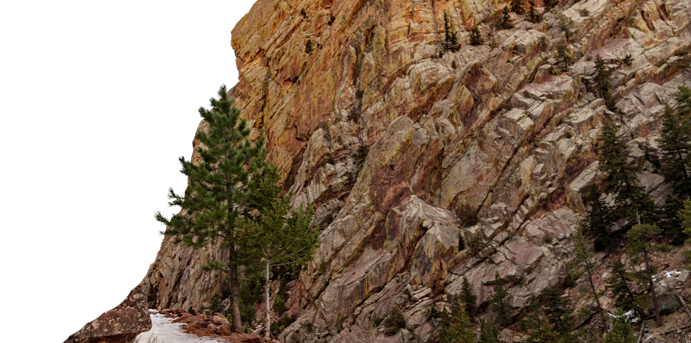
Eldorado Natural Spring Water starts in the Colorado high country and emerges at one of the most distinctive artesian springs in North America. For generations, people have come to Eldorado Springs for water they trust—drawn by its source, its purity, and its consistency.
Where Our Spring Water Comes From
Our spring is located in Eldorado Springs, Colorado, just south of Boulder.
- The water begins as rain and snow east of the Continental Divide
- Over millennia it slowly filters through layers of rock and soil, entering a deep aquifer
- That aquifer passes beneath Eldorado Springs at a depth of roughly 8,000 feet
- Under natural artesian pressure, the water rises and emerges at our spring
This long, underground journey naturally filters the water and shapes its mineral profile before it ever reaches our bottling facility. The result is a protected, reliable source that has supplied Eldorado water for generations.
For a closer look at what’s in the water, see our Eldorado Natural Spring Water analysis.
Water and Health
Staying hydrated is one of the simplest daily habits you can use to support overall wellness.
A common guideline is to drink about half an ounce of water for every pound of body weight per day (your needs may vary based on activity level, climate, and individual health). Having great-tasting, easy-to-access water on hand at home, at work, and on the go makes it more likely you’ll actually drink what your body needs.
Our blog explores how hydration supports energy, focus, exercise, and everyday health in more detail.
Water Safety and Quality Standards
We take water safety as seriously as the source itself.
Eldorado Natural Spring Water follows strict standards for natural spring water, including:
- Sourcing from a protected spring
- Bottling at or near the source
- Ongoing testing for microbiological quality, mineral content, and potential contaminants
- Compliance with federal and state regulations for bottled water
We are also proud to hold Safe Quality Food (SQF) Certification, an internationally recognized program that audits food safety and quality systems from source through production. This certification confirms that our processes, documentation, and facility operations meet rigorous, third-party verified standards.
FAQ: Our Water
Where is Eldorado Natural Spring Water sourced?
Our water comes from an artesian spring in Eldorado Springs, Colorado, just outside Boulder. It originates as rain and snow near the Continental Divide, travels underground through a deep aquifer system, and naturally rises to the surface at our spring.
What makes Eldorado different from “regular” bottled water or tap water?
Many bottled waters are purified municipal water, and most tap water is treated with disinfectants like chlorine. Eldorado is natural spring water from a single protected source, with a consistent mineral profile and no added flavors or sweeteners. It is bottled at the source and tested to meet strict spring water standards.
Is Eldorado water tested for safety and quality? Yes. Our water is tested regularly for microbiological safety, mineral content, and a wide range of potential contaminants. We also undergo routine inspections and audits to verify that our safety and quality systems are working as designed.
Does Eldorado add anything to the water?
No. Eldorado Natural Spring Water is bottled as it emerges from the artesian spring, with its naturally occurring minerals and characteristics intact. We do not add flavors, sweeteners, or disinfecting chemicals.
Is Eldorado water good for everyday drinking and hydration?
Eldorado is designed to be an everyday drinking water for homes, offices, and active lifestyles. Its natural source, consistent mineral content, and careful quality control make it a practical choice for regular hydration throughout the day.
Where can I learn more about what’s in Eldorado water?
For detailed information about pH, mineral levels, and test results, visit our Eldorado Springs water analysis page. There you’ll find a full breakdown of constituents, Eldorado’s test values, and how they compare to established standards.

Pick A Plan Right For You
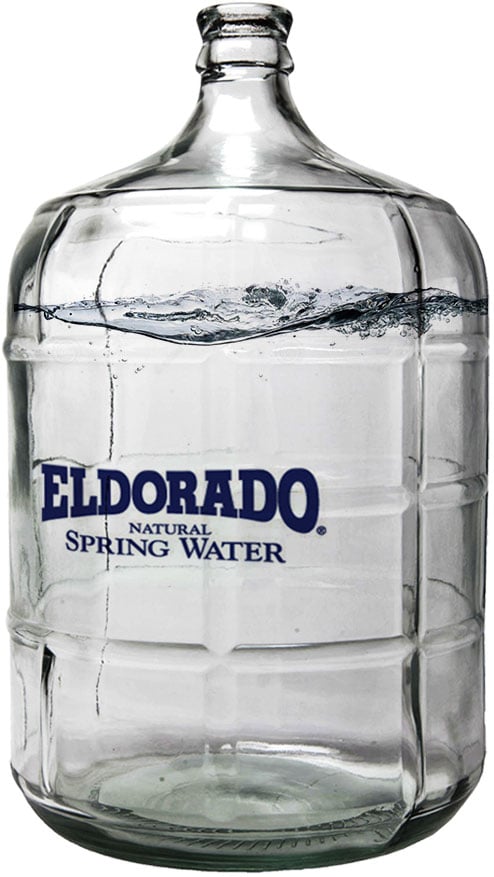
Get Colorado's own Eldorado Natural Spring Water delivered directly to you for as low as $22.45 a month (without any upfront costs)!